
Angioedema
Allergies affect your comfort and overall quality of life. Whether it is an environmental allergy or a drug allergy, getting timely treatment is important. At Southwest Asthma & Allergy Associates, we identify the triggers and create personalized plans that are designed for lasting relief.
Request Your Appointment
Have Questions? – How can we help!
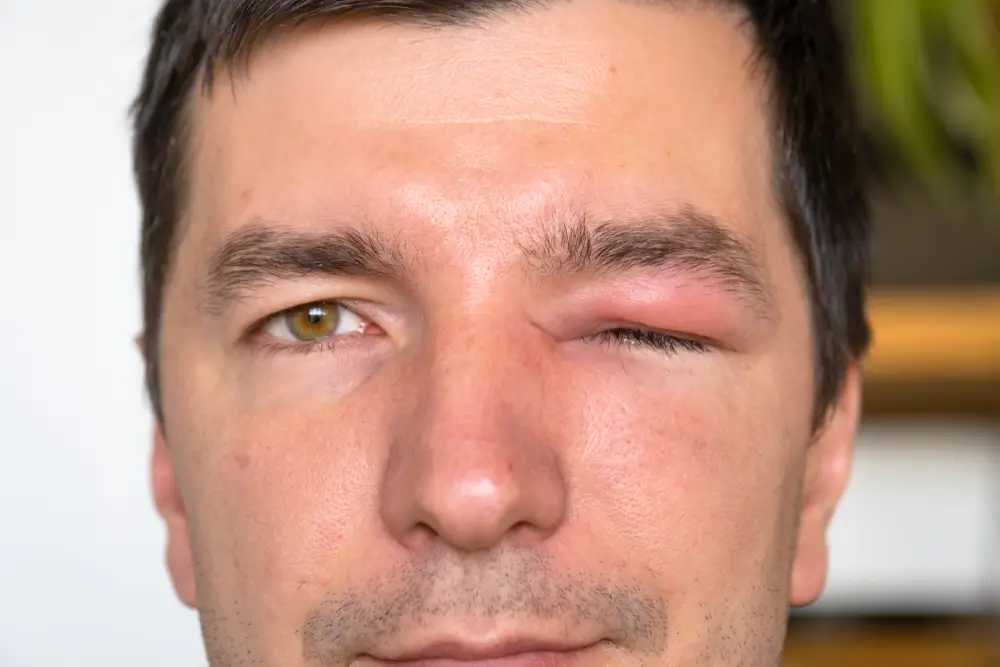
Symptoms of Angioedema
These symptoms often show up with no warning. How severe they get depends on the cause and the body part that is hit.
- Swelling of the lips
- Swelling of the eyelids
- Facial swelling
- Swelling of the tongue
- Swelling of the hands or feet
- Tightness or pressure under the skin
- Pain or soreness in swollen spots
- Hoarse voice or throat swelling
- Trouble swallowing
- Difficulty breathing
If swelling reaches your throat or affects your breathing, it is a medical emergency and needs immediate care.
Common Causes and Triggers
Many things can set off a swelling episode. Some are tied to allergies while others link to drugs, genes, or other health issues.
Allergic Triggers
- Foods
- Drugs
- Insect stings
- Latex
Drug-Related Swelling
- ACE inhibitor drugs
- NSAIDs or certain antibiotics
Inherited and Acquired Forms
- Inherited forms (hereditary angioedema) that run in families
- Acquired forms linked to other health conditions
Other Factors
- Infections
- Stress
- Unknown cause (called idiopathic)
Any Questions About Angioedema?
How We Find the Cause
We take a close look at your health to find the root cause. We check your history, run tests, and put a plan together.
Health History Review
- When your symptoms started
- How often swelling happens and how long it lasts
- Family history
- Medicines you currently take
- Allergy history
- What may have set it off
Physical Exam
- Checking the swelling
- Identifying where the swelling appears
- Checking your airway when needed
Allergy Testing
- Allergy tests when they are the right next step
- Checking for food or outdoor allergens
Lab Work and Other Tests
We may order blood work or send you for more review if we need more details.
- Blood tests to check for inherited angioedema
- Referral to another doctor if needed
Your Care Plan
- Work to confirm what may be causing the swelling
- Find what factors play a role
- Build a plan that fits your needs
- Keep track of how you are doing
Our Treatment Options
Treating Flare-Ups
We may prescribe antihistamines to ease symptoms or steroid medicines like prednisone for short-term relief.
- If angioedema is part of a severe allergic reaction (anaphylaxis), epinephrine should be given immediately, and emergency medical care should be sought. This can stop the reaction before it gets to your airway. The most effective treatment for angioedema from an allergic reaction to certain foods, medications or insect bites is epinephrine.
- Hereditary angioedema does not respond to antihistamines, steroids, or epinephrine, since it has a different cause. This inherited form needs specialized medicines designed specifically to treat hereditary angioedema and its underlying triggers.
Treating the Root Cause
Our allergists focus on managing underlying allergies, adjusting or stopping medicines that may cause swelling. We may also prescribe HAE-specific treatments including on-demand and preventive therapies for patients with the inherited form.
Staying Away from Triggers
We help you avoid known allergens, review your medicines for possible links, and suggest lifestyle changes like managing stress or avoiding extreme temperatures. For HAE, we also help identify non-allergic triggers such as stress, illness, or physical pressure on the skin.
Follow-Up Care
We watch for symptoms that return and update your treatment plan as your needs change. This ongoing support helps keep both allergic and hereditary angioedema episodes under control long-term.
Explore More Services
Why Patients Trust Us for Allergy Care Services
Living with swelling that comes and goes is tiring. You need a care team that listens and takes time to find answers. Southwest Asthma & Allergy Associates has been helping patients for over 40 years. Our doctors sit down with each person and build a plan based on the latest research.
We connect with major insurance providers to make sure quality health care reaches everyone.
Patient Stories
What Our Patients Has To Say
From the front desk to seeing Dr. Chou, everyone was great. The wait time wasn’t bad and we were attended well.
Dulce Betancourt
★★★★★I've been going to this office for several years and I have had the best experience with everyone here. Dr Chou is the best. He is patient and he listens.
Quanah R
★★★★★I've been coming here for 15 years and it been excellent I wouldn't trade them for nothing in the world it be like a family to me go in there
Carolyn Stewarthxygd
★★★★★I've been coming here for years now and it's a wonderful office. Doctors, nurses, and staff all really care and are great to interact with.
Brandon Garcia
★★★★★I’ve been bringing my daughter to see Michael Chou for years, and he’s absolutely the best! I always recommend him to anyone looking for exceptional allergy care for their kids.
Ari D
★★★★★Frequently Asked Questions
It is a rare condition that runs in families. Patients with this condition have low levels of a protein that helps control swelling. Episodes can happen with no clear trigger and often hit the face, hands, or abdomen.
Yes, it can come back if the root cause is not fully dealt with. Some patients go through repeat episodes over weeks or months. Our allergists work with you to track patterns, adjust treatment, and reduce the chance of it happening again.
Know your triggers and stay away from them. Keep a record of what you were doing before each episode. Stick to your plan, and visit us for regular check-ins.
Schedule Your Appointment Today
If swelling keeps coming back and you do not know why, we are here to help. Call Southwest Asthma & Allergy Associates today or request an appointment online.