
Pediatric Food Allergies
Finding out your child might have a food allergy is overwhelming for any parent. It is completely normal to feel stressed about what they eat at home, at school, or at a friend’s birthday party. At Southwest Asthma & Allergy Associates, we help families get clear answers. We offer simple testing and easy-to-follow safety plans so you can worry less and keep your child safe.
Request Your Appointment
Have Questions? – How can we help!
What Are Pediatric Food Allergies?
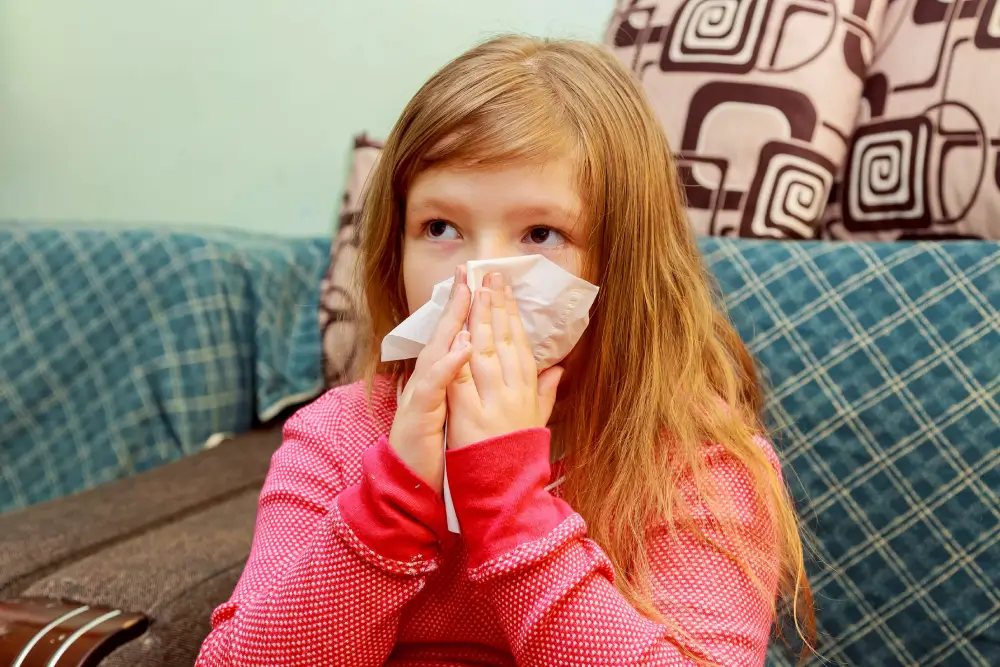
A food allergy happens when your child’s immune system mistakenly treats a harmless food as a threat. Eating that food causes their body to release chemicals, triggering an allergic reaction. While kids can be allergic to anything, these nine foods cause the vast majority of reactions:
- Milk
- Eggs
- Peanuts
- Tree nuts, such as walnuts, almonds, and cashews
- Wheat
- Soy
- Fish, such as salmon or tuna
- Shellfish, such as shrimp, crab, and lobster
- Sesame
Symptoms of a Food Allergy in Children
Allergic reactions vary from child to child and usually appear within minutes to a couple of hours after eating. A reaction might be mild and affect only one part of the body, or it can be more serious. Watch out for these common signs:
- Hives, red bumps, or an itchy rash on the skin
- Swelling on the lips, tongue, face, or throat
- An itchy or tingly feeling in the mouth
- Belly pain, throwing up, or diarrhea
- Coughing, wheezing, or trouble breathing
- Feeling dizzy or fainting
Any Questions About Pediatric Food Allergies?
How We Find the Cause
We look at your child’s medical history, what they ate, and how they reacted to decide which testing path is best.
Skin Prick Testing
A tiny drop of allergen liquid is placed on your child’s arm or back, followed by a gentle skin prick using a small lancet. Most children find it uncomfortable rather than painful. If a small, itchy bump appears within 15 minutes, an allergy is usually present.
Blood Testing
A blood sample can be used to measure specific IgE antibodies to particular food proteins.
Oral Food Challenges
When earlier results leave room for doubt, a supervised oral food challenge is performed in our clinic. Your child eats small, gradual amounts of the food while our medical team monitors them closely to see if a reaction occurs.
Daily Management and Care
There is no permanent cure for food allergies, but clear management makes daily life completely manageable. Our goal is to give you the tools and tips you need to protect your child without making mealtime stressful.
- Avoid Triggers: Learn to read food labels properly and spot hidden ingredients.
- Emergency Plans: Keep a signed Action Plan on hand for school nurses, teachers, and babysitters.
- Epinephrine Injectors: Carry two prescribed epinephrine auto-injectors everywhere your child goes to stop severe reactions fast.
- New Therapies: Ask our team about newer treatment options that slowly desensitize the body to accidental exposures over time.
Explore More Services
Why Families Choose Us
Managing a childhood food allergy changes how your entire household eats. It is a major adjustment. Southwest Asthma & Allergy Associates helps you navigate these shifts. With over 40 years of experience providing care in the greater Houston area, we listen to your concerns. Our team builds a practical plan for your family.
We work hand-in-hand with your pediatrician and your child’s school. We also want good care to be easy to get. To keep quality care accessible for all, we work closely with major insurance providers.
Patient Stories
What Our Patients Has To Say
From the front desk to seeing Dr. Chou, everyone was great. The wait time wasn’t bad and we were attended well.
Dulce Betancourt
★★★★★I've been going to this office for several years and I have had the best experience with everyone here. Dr Chou is the best. He is patient and he listens.
Quanah R
★★★★★I've been coming here for 15 years and it been excellent I wouldn't trade them for nothing in the world it be like a family to me go in there
Carolyn Stewarthxygd
★★★★★I've been coming here for years now and it's a wonderful office. Doctors, nurses, and staff all really care and are great to interact with.
Brandon Garcia
★★★★★I’ve been bringing my daughter to see Michael Chou for years, and he’s absolutely the best! I always recommend him to anyone looking for exceptional allergy care for their kids.
Ari D
★★★★★Frequently Asked Questions
Yes. Skin testing and blood testing are safe for children of all ages, including infants. Our team takes extra care to ensure small children stay comfortable and calm during the brief testing process.
Allergies and intolerances are completely different. An allergy triggers the immune system and can be dangerous. Intolerances just mess with digestion. Lactose trouble is a good example. It causes bloating or gas. Food intolerances are usually not life-threatening.
Yes, your child must stop taking antihistamines a few days before a skin test because these medicines block the results.
Get in Touch Today
Do not guess about food allergies. Your child needs a clear diagnosis. Set up a visit with Southwest Asthma & Allergy Associates. Our team is here. We focus on keeping your child safe at mealtime.