
Immunodeficiency
Immunodeficiency happens when the immune system can’t fight off infections well. A healthy immune system finds germs and stops them before you get sick. When immune function drops, the body catches infections more often, and they can hit harder. This immune problem can be primary or secondary. Primary cases come from genes passed down in a family, while secondary cases come from another illness or an outside factor.
At Southwest Asthma & Allergy Associates, our providers offer evaluation and care for immune deficiencies in children and adults across Houston.
Request Your Appointment
Have Questions? – How can we help!
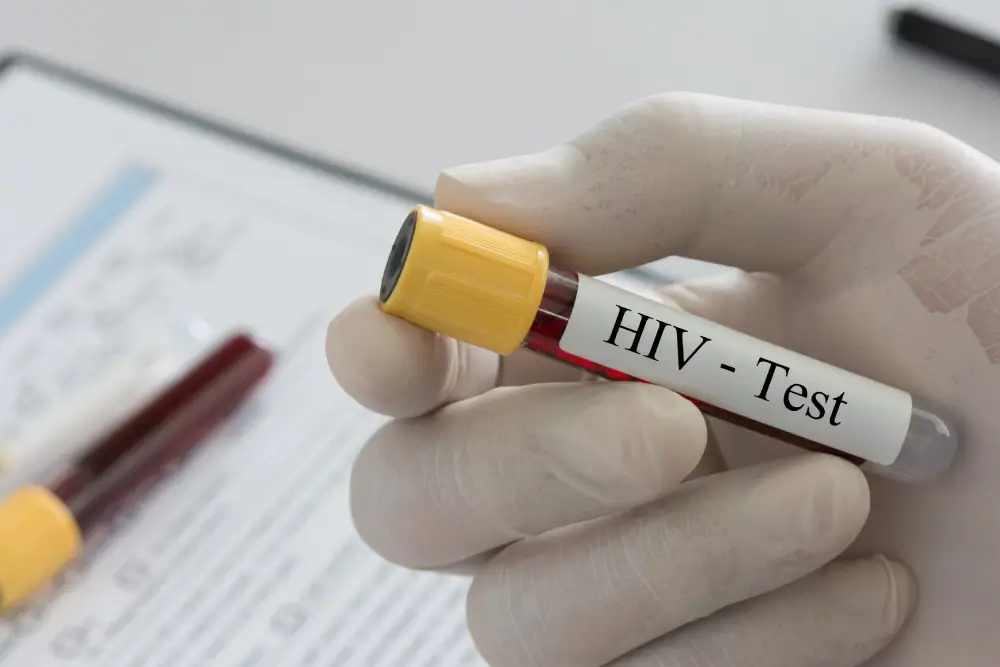
Common Signs of Immunodeficiency
Signs of an immune problem can vary from person to person. The type and severity of the problem shape what you notice. Some signs are mild at first. Others show up as infections that keep coming back, hit hard, or take too long to clear. These signs alone do not mean a person has immunodeficiency, but may be a reason to get checked.
- Frequent or recurring infections
- Unusually severe infections
- Repeated sinus infections
- Recurrent ear infections
- Repeated pneumonia
- Infections that take too long to clear
- Need for repeated rounds of antibiotics
- A fever that won’t go away or keeps coming back
- Wounds that heal slowly
- Long-term diarrhea or gut infections
- Rare or unusual infections
Types and Causes of Immunodeficiency
Immune problems can come from different causes. Knowing the type helps guide the right care plan.
Primary Immunodeficiency
Primary immune problems come from genes passed down in a family. They may be there from birth, though signs can go unnoticed for years. They can affect different parts of the immune system, including how the body makes antibodies.
Secondary Immunodeficiency
A secondary immunodeficiency is not something you are born with. It usually occurs later, often because of an illness, a medical treatment or some other external factor. Medications, long-term illnesses and cancer treatments can all leave your immune system weaker than it should be. Chronic stress and poor nutrition can also play a role.
Antibody Deficiencies
Antibody deficiencies occur when the body does not produce enough antibodies or when antibodies do not function properly. It can raise the risk of some infections, including repeat lung and sinus infections. Checking antibody levels, when needed, helps show if this is part of the issue.
Other Immune System Problems
Immune problems can also affect other parts of the body’s defense system, like certain proteins in the blood. These conditions can be harder to diagnose and require a specialist’s evaluation. We may recommend a referral or further testing when needed.
Any Questions About Immunodeficiency?
Diagnostic Approach We Follow
Finding the cause of an immune problem takes a careful, step-by-step review. Each step builds on the patient’s own history and symptoms.
Medical History Review
We start by asking about the frequency and severity of infections. Our specialists also ask how long they last and how well treatment worked in the past. The review includes hospitalizations, family history of medical problems, past medications, and any previous immune system testing.
Physical Exam
A physical exam checks overall health and looks for signs of an active infection. We may check the lymph nodes when it makes sense. This step is guided by the patient’s symptoms and past health.
Blood Cell Testing
Blood tests, like a complete blood count, can show white blood cell levels and patterns. More tests may follow, based on what these results show.
Antibody Level Testing
The test measures antibody levels in the blood. We select tests according to the symptoms and history of each patient. Abnormal results always need careful review before we draw any conclusions.
Immune Function Testing
This step checks how well the immune system responds to infection. We may add more tests when it helps. We then read the results along with the patient’s history and other findings.
Additional Testing
In complicated cases, extra lab work or special immune tests may help find the cause. We may suggest a referral for more care, based on the type of problem we suspect.
A Plan Built Around You
We review all test results together to see if they point to immunodeficiency. This step shows if more testing is needed. It also helps build a care plan made for that patient, with checkups over time.
Treatment and Management Options
Treatment for an immune problem depends on its type, cause, and severity. Each plan is built around what that patient needs.
Managing Repeat Infections
We treat repeat infections with quick checks and the right care each time one occurs. Our specialists track how often infections happen over time, then suggest steps to help prevent the next one.
Antibody Replacement Therapy
Some patients with a diagnosed antibody deficiency may benefit from replacement therapy. This treatment supplies the antibodies their body isn’t able to produce on its own. Not all patients can undergo this type of therapy, and those who receive it need consistent monitoring over time.
Preventing Infections
Prevention can include recommended vaccines and good hand washing. It can also mean staying away from known risks when you can. Catching symptoms early can also make a difference in outcomes. Since every patient’s situation is different, we shape this guidance around their specific needs.
Managing Other Health Issues
Some medications can affect how well the immune system works, so we review what a patient is currently taking. Other health conditions may also play a role and need attention alongside the immune evaluation. When appropriate, we coordinate with specialists, adjusting the plan as circumstances evolve.
Ongoing Checkups
We see patients regularly and track how often infections occur. We also check how well treatment is working, repeat tests, and update the plan accordingly.
Explore More Services
Why Patients Trust Our Immune System Care Services
Southwest Asthma & Allergy Associates has more than 40 years in allergy, asthma, and immune care. We offer care built around each child or adult we see. We choose tests based on what each patient needs. Our team works with patients across many locations near Houston.
Everyone deserves quality care, which is why we work with major insurance providers.
Patient Stories
What Our Patients Has To Say
From the front desk to seeing Dr. Chou, everyone was great. The wait time wasn’t bad and we were attended well.
Dulce Betancourt
★★★★★I've been going to this office for several years and I have had the best experience with everyone here. Dr Chou is the best. He is patient and he listens.
Quanah R
★★★★★I've been coming here for 15 years and it been excellent I wouldn't trade them for nothing in the world it be like a family to me go in there
Carolyn Stewarthxygd
★★★★★I've been coming here for years now and it's a wonderful office. Doctors, nurses, and staff all really care and are great to interact with.
Brandon Garcia
★★★★★I’ve been bringing my daughter to see Michael Chou for years, and he’s absolutely the best! I always recommend him to anyone looking for exceptional allergy care for their kids.
Ari D
★★★★★Frequently Asked Questions
Not at all. A weak immune system can come from short-term things like stress, bad sleep, or a recent illness. Immunodeficiency is a diagnosed health problem that affects immune function long term.
Some children with frequent infections do have an immune problem. Many others are just catching common childhood illnesses. A proper checkup is the best way to find the actual cause.
This depends on the type and severity of the immune problem. Our specialists can tell you which vaccines are safe for that person.
Schedule Your Appointment Today
Do you or your child keep getting frequent, severe, or unusual infections? A checkup can help find out why. Southwest Asthma & Allergy Associates offers care built around each patient across the Houston area. Contact our office today to book a visit and take the next step toward better immune health.